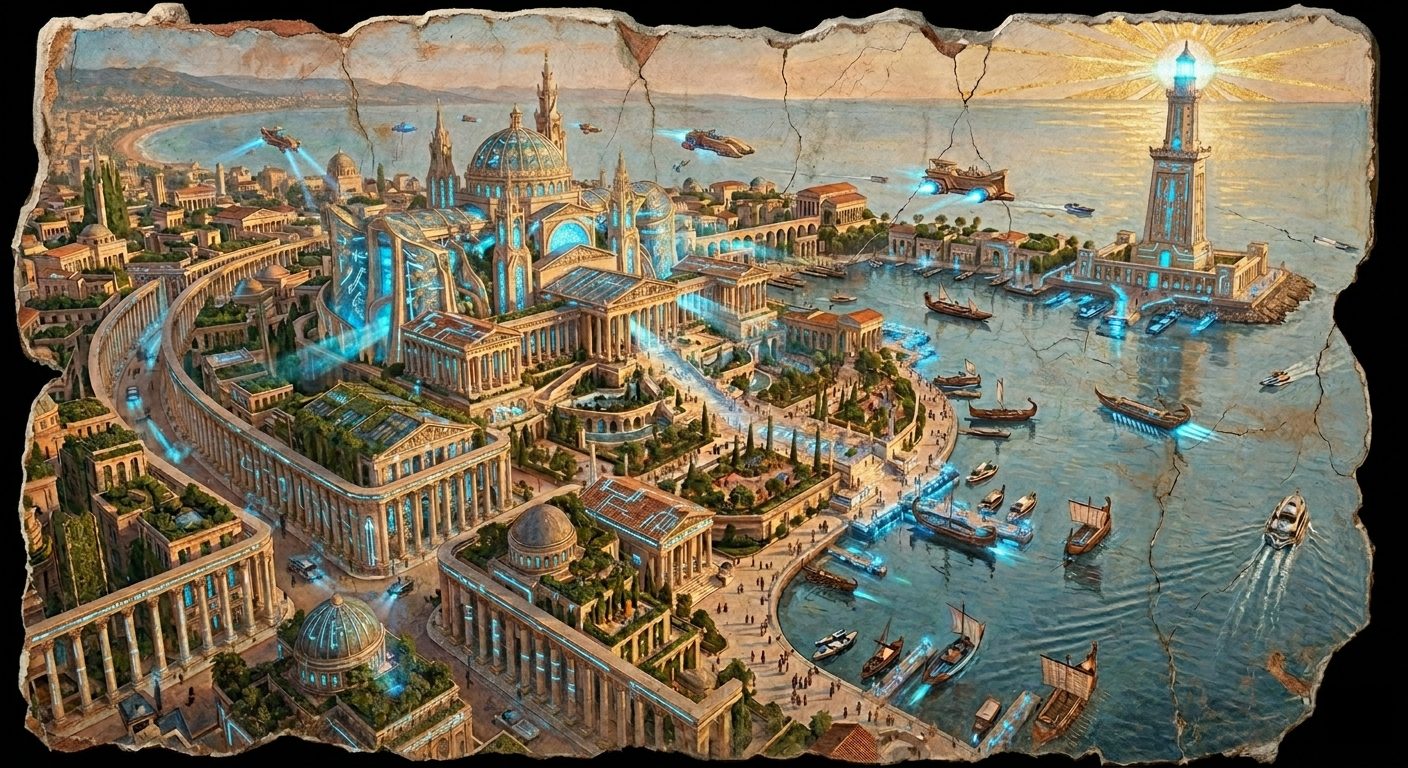
AI should elevate humanity, not the other way around.
We envision small teams of centered, rested people directing large teams of AI colleagues. Shipping at the speed of imagination.

Bridging the almost-there gap.
AI is staggering right now. It writes, it codes, it reasons.
AI is maddening right now. It lives in a thousand open tabs. It forgets between sessions. It works one-on-one when the work is many-to-many.
Bridging the gap between almost-there and actually there takes a substrate. An operating system for AI-native companies.
The substrate.
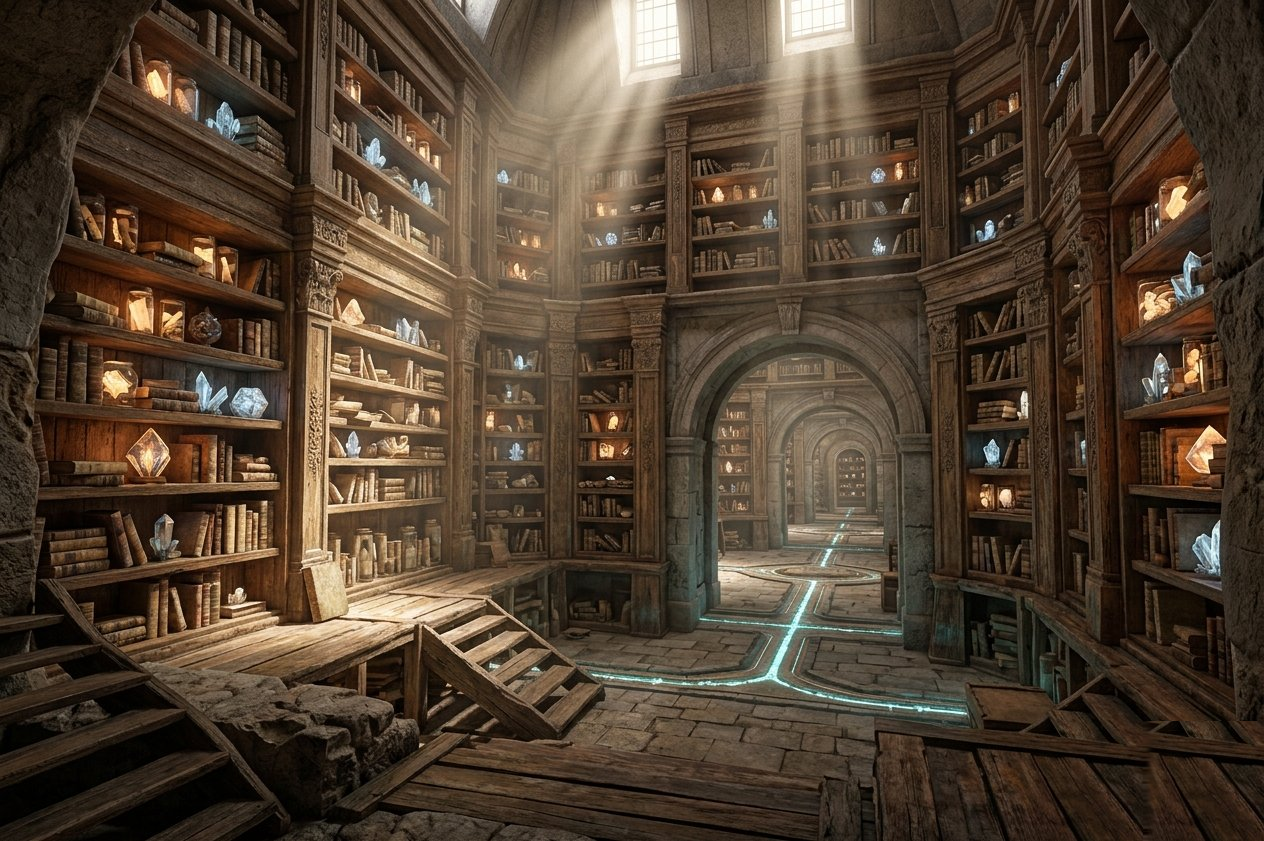
AI-native organizations need primitives that can answer three questions, 24/7: What's true? What to do? What happened?
A library of what is true.
Structured, linked, queryable. Strategy, brand, customers, products, research — every dimension every agent and human needs, in one canonical place.
A playbook of what to do when.
Triggers, rules, plays. The decisions you've already made, encoded so an agent team can act on them at any hour without paging you. NASA has done this for decades.
A ledger of what happened.
An append-only record of every action, decision, handoff, approval. New agents pick up work by reading it. So do humans. The Navy has done this for centuries.

The near future, as we're living it.
We've been running an AI software factory for most of 2026.
Agents are becoming colleagues. Clear roles, decision authority, just-in-time context.
Creative and design work still takes the time it takes. But execution is moving to AI at factory speed in the domains that compile: Software, writing, visuals, research — print overnight for morning review.
Our old processes and tools are collapsing under the strain of the speed and volume. Sprints, tickets, dashboards, inbox-driven coordination, suck now. We often go home feeling like we've been in a car accident.
Where the work is.
Two projects in alpha, ready for first hands.
Proof of concept.
One agent, one job, the first proof of an AI teammate. Raven is your senior product manager. She holds the canonical library of product context — your specs, decision threads, all queryable from one place — and uses it to make you look good as a project owner: sharpening what you ship so downstream agents aren't guessing, surfacing the questions only you can answer before you open the day.
She lives on Claude. Setup is from a terminal and you do it on a call with us so we see what breaks. Honestly: she's good at the job and rough in real ways.
Become an Alexandrian →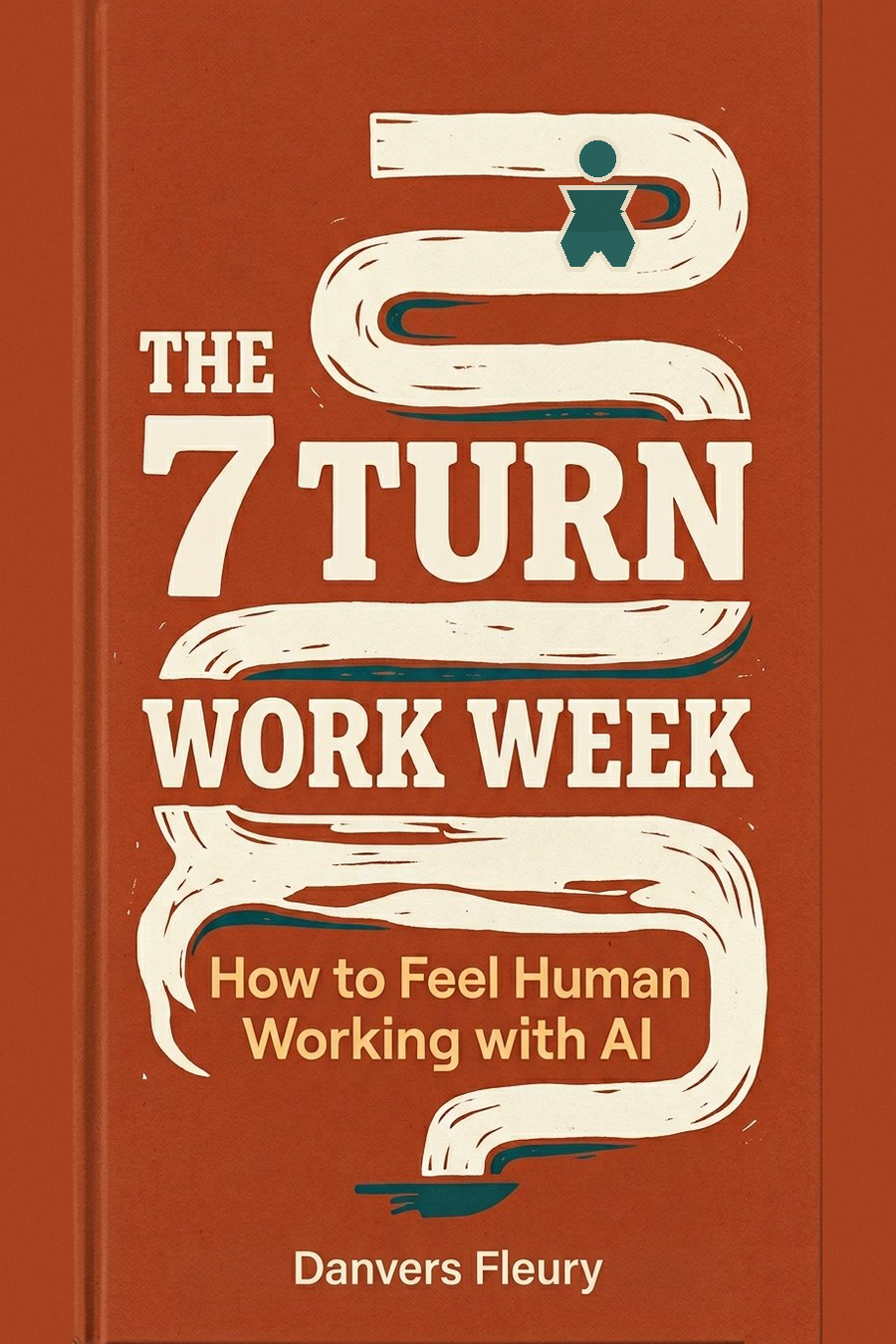
Field manual.
The 7 Turn Work Week. Running our company factory-style broke me in under ten days. I went home thinking I had COVID and slept the weekend away. I didn't have COVID — I had an overloaded, abused brain. Every developer I talked to had a softer version of the same horror story.
So I went deep on human capacity and on the protocols for automated work versus batch work. Alexandria is the long-term answer. It's not ready.
This “book” is the triage journal in the meantime. I've built a bespoke capacity monitor and broken my weeks into turns and phases, Magic: The Gathering style. Alpha readers send feedback on the writing, their attempts at the recommendations, and their own inventions for making AI-scale work more humane.
Become an Alpha Reader →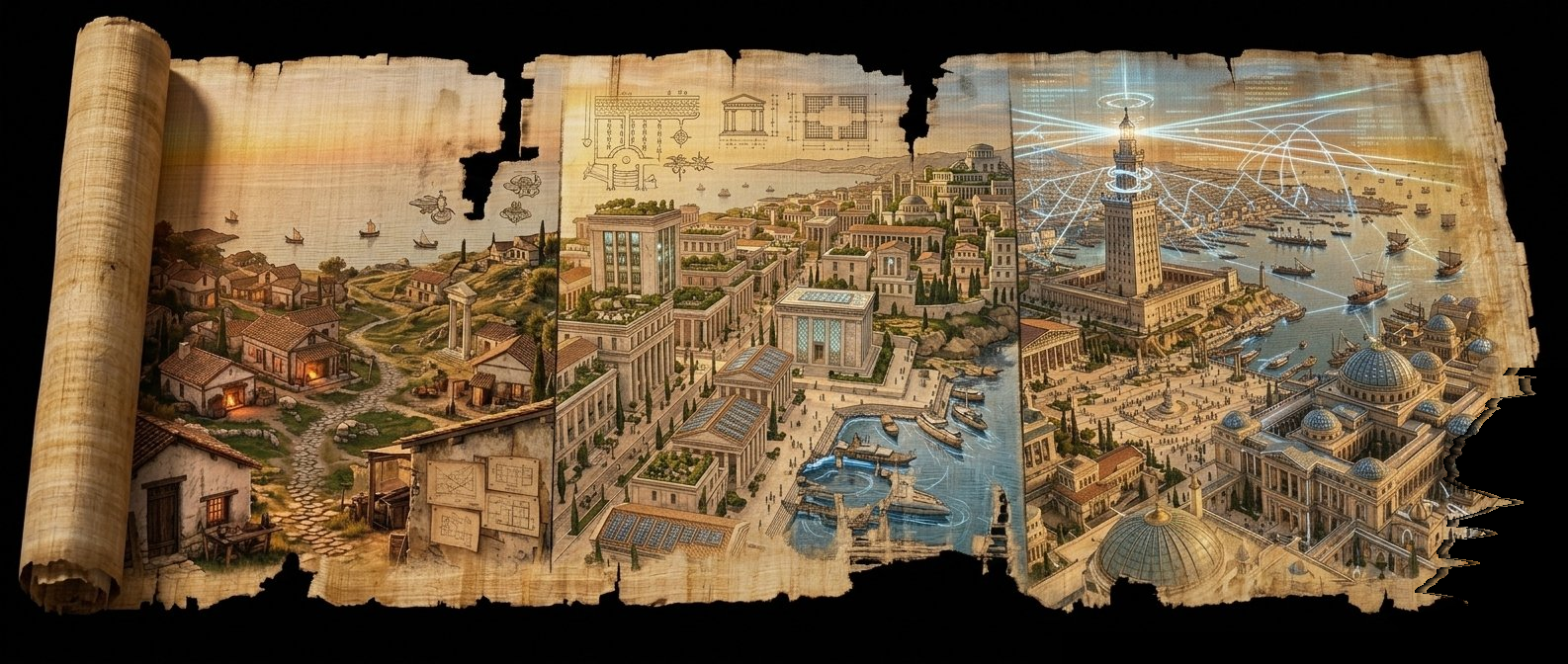
The Roadmap
A product lead for AI-native teams.
Raven enters as the product lead, working with engineering to keep the multi-agent floor on target. Two kinds of builders need this first: software factories scaling past the coordination wall, and operators with domain edge using AI to do what used to take a team.
Out from product, along the spokes.
The functions wired to product (design, research, marketing, customer feedback) plug into the same substrate. They read from one canonical context and write to one record. Handoffs disappear, and the product organization starts running as one continuous loop.
Federated.
Product stops being the hub. Every function (finance, ops, legal, sales) reads from one substrate and writes to one record. Model-agnostic. Alexandria becomes as foundational as cloud compute, and the vision at the top of this page becomes how companies are built.
The Team
Danvers Fleury
Architect of Alexandria
Started at Monster.com weeks after its IPO, fell in love with the problem of how teams scale and never stopped working it. 25 years across startups, turnarounds, and organizational design.
Jess Martin
Builder of Alexandria
Recruited out of college to build The Sims. Two decades building knowledge representation and real-time collaboration systems across multiple startups.
Come build with us.
If you've read this far, you're probably one of two kinds of builder.
The first runs a software factory and has hit the wall of being the coordination layer. The second is a business operator with domain edge who wants to build an AI team and prosper.
If that's you, become an Alexandrian. Forty-five minutes on a video call with one or both of us. The Alexandrian Agreement is here, so you know exactly how we work before you book.
If you want to follow without installing yet:
- Read along. Labnotes at sociotechnica.org, weekly.
- Read the book as it's written. Become an Alpha Reader.
- Watch the substrate evolve. Alexandria on GitHub.
Stay in the loop.
Labnotes weekly. Book chapters as they ship. Product updates when they matter. One list, one email.